




Why You Overheat at Night (And What to Wear Instead)
Ever wake up in the middle of the night feeling far too warm, kicking off the duvet or flipping your pillow to find the cool side? It’s a familiar frustration - and one that more people experience than you might think.
Overheating at night is incredibly common, yet it’s often overlooked when people look to improve their sleep. Many people focus on routines or screen time, but ignore one of the biggest factors: temperature.
Here’s the thing. Your body is designed to cool down as you sleep. When something gets in the way of that process - whether it’s your room, your habits, or what you’re wearing - your sleep suffers.
The good news? Once you understand what’s causing you to overheat at night, you can make simple changes that have an immediate impact.

Your Body Is Designed to Cool Down
As you approach bedtime, your body naturally tries lowers its core temperature by around 1°C. This temperature drop signals that it’s time to wind down and is crucial for starting to drift into sleep.
When everything is working as it should, you fall asleep more easily and stay asleep longer. But when your body can’t release heat properly, that process gets disrupted or can’t even start at all.
That’s when the tossing, turning, and night sweats begin.
So if you’ve ever wondered why you overheat at night, it’s rarely random. More often than not, something is preventing your body from cooling itself efficiently.

5 Common Reasons You’re Overheating at Night
1. Your Bedroom Is Too Warm
Your sleep environment matters more than you might realise. Ideally, your bedroom should sit somewhere between 18–20°C.
If it’s warmer than that - or if the air feels stuffy and still - your body has to work harder to cool down. If you also use a thick high-tog duvet you’ve essentially created a heat trap.
Even small adjustments, like lowering the thermostat or improving airflow, can make a noticeable difference.
|
Factor |
Ideal Condition |
Common Issue |
|
Room temperature |
18–20°C |
Overheated rooms |
|
Airflow |
Well-ventilated |
Stale, trapped air |
|
Bedding weight |
Light layers |
Heavy duvets |

2. Your Nightwear Isn’t Breathable
This is one of the biggest causes of overheating and therefore poor sleep quality – yet its often overlooked.
Certain fabrics, especially synthetics like polyester, tend to trap heat and hold onto moisture. Instead of allowing your skin to breathe, they keep heat locked in and can actually cause you to get hotter.
That’s why finding nightwear made of breathable materials is so important. Materials that allow airflow and wick away moisture help your body regulate temperature naturally.
In other words, what you wear to bed isn’t just about comfort - it directly affects how well you sleep.
3. Hormones Can Play a Big Role
For many women, night-time overheating is extremely common and can be linked to hormonal changes like menopause or pregnancy.
Menopause is the most well-known cause, but it’s not the only one. Pregnancy and even your monthly cycle can trigger night sweats or sudden temperature spikes.
These changes can feel unpredictable, which makes comfort even more important. Choosing soft, lightweight, and non-restrictive nightwear can help you feel more at ease when it happens.
4. Your Evening Routine Might Be Heating You Up
What you do in the evening can carry through into the night.
Heavy meals, alcohol and caffeine all increase your body temperature or disrupt its natural rhythm. Stress can have a similar effect, raising your cortisol levels and making it harder for your body to relax and cool down.
You don’t need to overhaul your routine completely, but small tweaks like eating earlier or cutting back on late-night caffeine can help your body settle more easily.
5. Less Obvious Triggers
Sometimes, overheating comes down to factors you might not immediately consider.
Medication, anxiety, or underlying health conditions can all contribute to night sweats. Occasional overheating is normal, especially as the seasons change, but if it’s happening regularly or feels intense it’s worth checking in with a medical professional.

Why It Matters More Than You Think
Overheating doesn’t just make you uncomfortable, it can heavily disrupt your sleep quality.
When your body is too warm, you’re more likely to wake during the night and spend less time in deep, restorative sleep. That’s the stage your body needs to fully recharge.
So even if you’re technically getting enough hours, you may still wake up feeling tired.
If that sounds familiar, your sleep temperature could be the missing piece.
What to Wear Instead for a Cooler Night’s Sleep
If you tend to overheat, your nightwear is one of the easiest things to change - and often one of the most effective.
Choose Breathable, Lightweight Fabrics
Not all fabrics are created equal when it comes to sleep.
- Bamboo is naturally breathable and helps wick moisture away from the skin
- Satin feels smooth and cool, without clinging when temperatures rise
- Cotton is a reliable choice that allows airflow and absorbs moisture
|
Fabric |
Key Benefits |
Why It Works |
|
Bamboo |
Breathable, moisture-wicking |
Regulates temperature naturally |
|
Satin |
Lightweight, smooth |
Feels cool against the skin |
|
Cotton |
Soft, breathable |
Promotes airflow and absorbs moisture |
Pretty You London designs nightwear with exactly this in mind. The focus is on lightweight, breathable fabrics that feel as good as they look - helping you stay cool without compromising on style.
Avoid Heat-Trapping Materials
If you’re struggling with overheating, it’s best to steer clear of:
- Polyester
- Fleece
- Heavy synthetic blends
These fabrics tend to hold onto heat, making it much harder for your body to regulate temperature overnight.
Go for Looser, Airy Styles
Fit plays a bigger role than you might expect.
Tight or restrictive clothing can trap heat close to your body. Instead, look for styles that allow air to circulate.
Think:
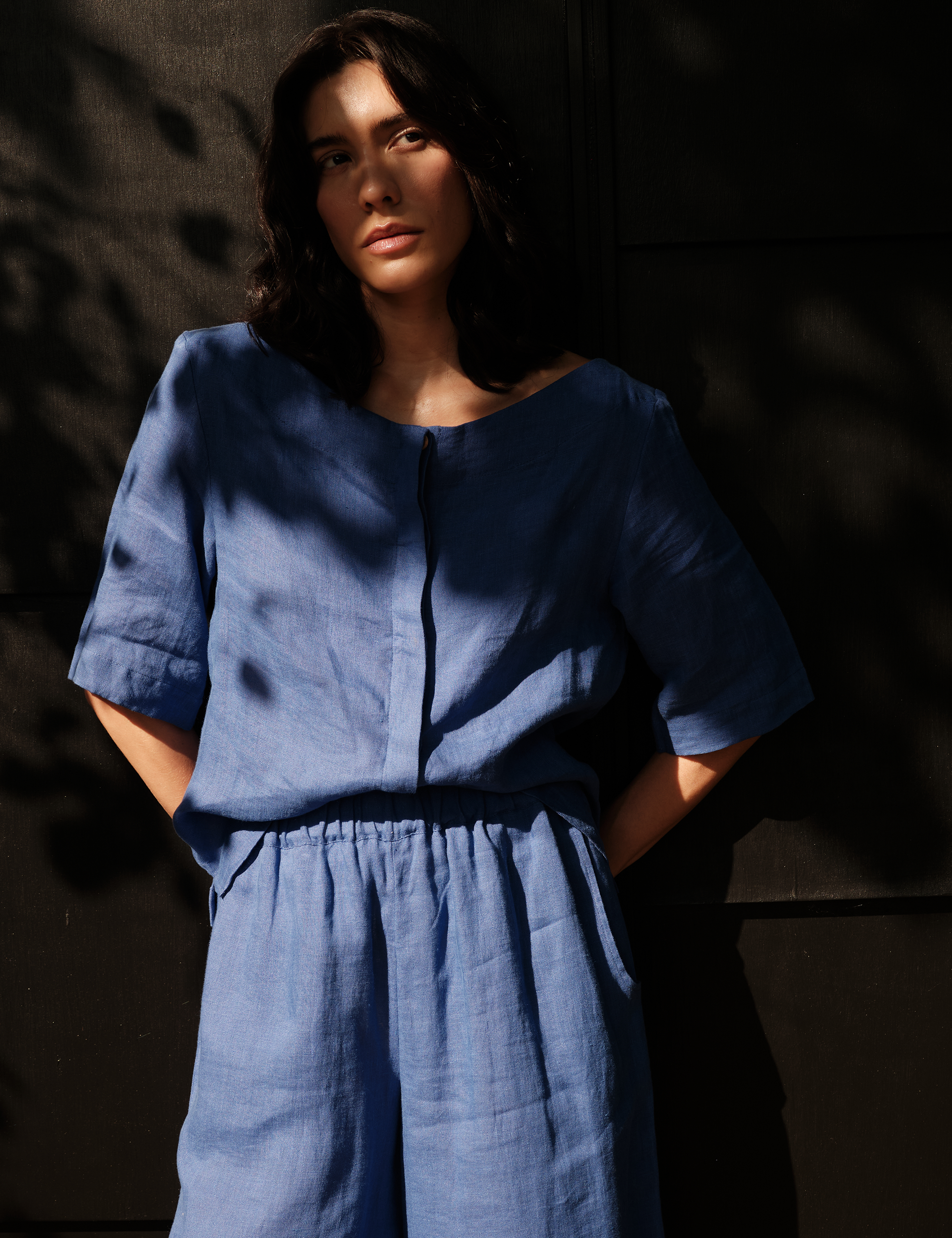
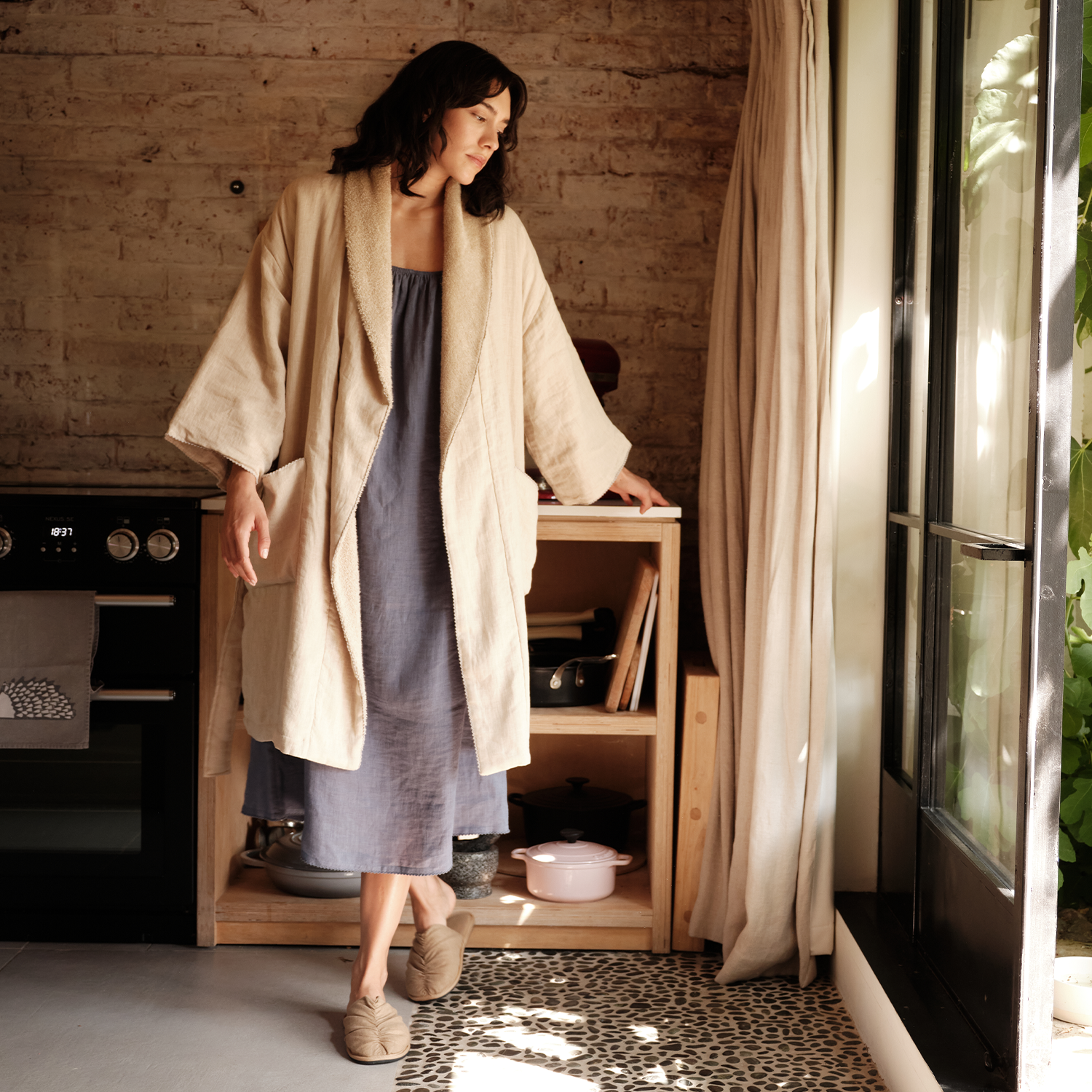
- Loose-fitting silhouettes like chemise's
- Short sleeves or cami's
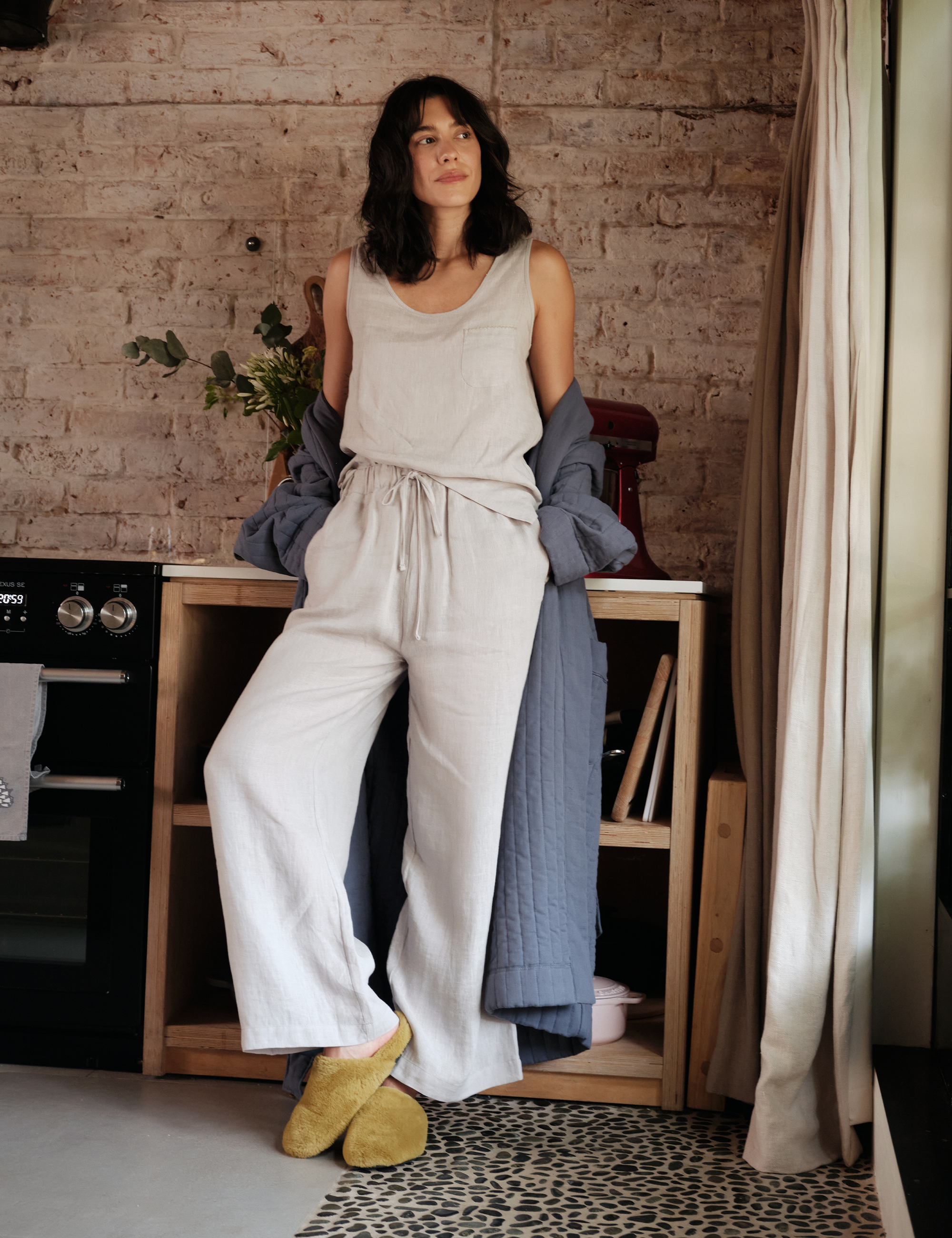
- Wide-leg trousers or shorts
These small details can make a big difference to how comfortable you feel through the night.
Your Bedding Matters Too
It’s easy to focus on pyjamas, but your bedding is just as important.
Even the most breathable nightwear won’t help if your bedding is too thick/heavy and is made from the wrong materials.
To create a cooler sleep environment:
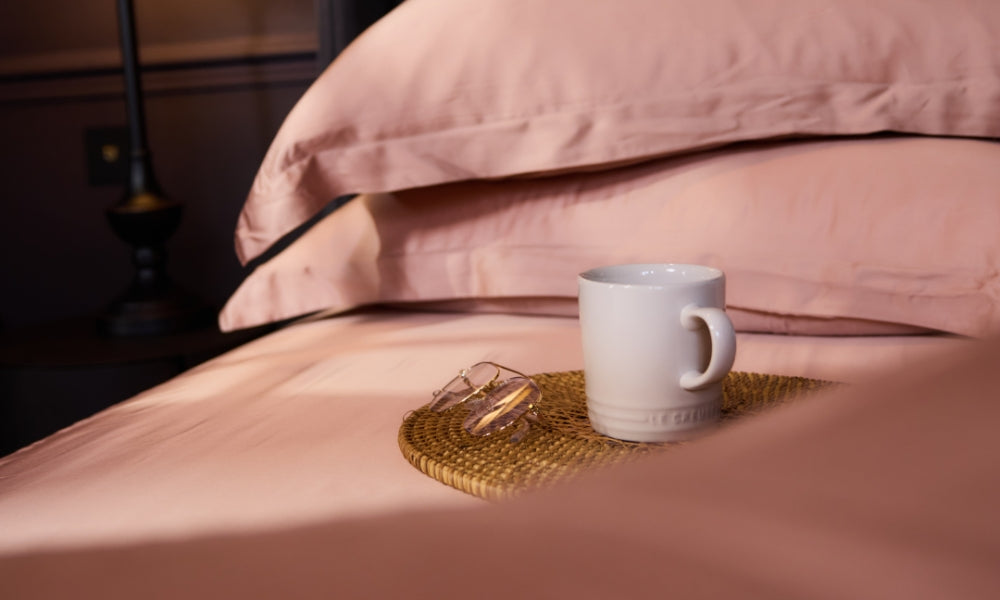
- Choose lightweight and breathable bedding
- Layer with sheets and throws instead of relying on one thick duvet
- Choose fabrics that encourage airflow like bamboo
When everything works together, your body can regulate temperature much more effectively.

Simple Ways to Stay Cool at Night
You don’t need to change everything at once, start small and see what works for you
- Keep your bedroom between 18–20°C
- Switch to more breathable nightwear fabrics
- Use lighter, layered bedding
- Take a warm, but not hot, shower before bed
- Avoid heavy meals late in the evening
- Cut back on alcohol and caffeine at night
- Let fresh air in or use a fan
Even one or two of these changes can noticeably improve your sleep.
The Bottom Line
Overheating at night isn’t random. In most cases, it comes down to a mix of your environment, your habits, and what you wear to bed.
The solution doesn’t have to be complicated. By choosing breathable fabrics, lighter layers, and more relaxed fits, you can support your body’s natural cooling process and sleep more comfortably.
Because when it comes down to it, what you wear to bed really does matter.
Ready to Sleep More Comfortably?
If you’re tired of waking up too hot, it might be time to rethink your nightwear.
Discover breathable, beautifully designed styles that help you stay cool, comfortable, and relaxed - night after night.
Learn more about how to stay cool and have a great night's sleep
The best pyjamas for hot sleepers
Read more

Discover breathable cotton modal pyjamas, lightweight cotton nightdresses, and soft ladies cotton pyjamas designed for comfort, relaxation, and everyday luxury.

In this guide, we’ll walk you through the best fabrics for a truly deep sleep, how they compare and how to choose the right one for you.